
KnitKnot
You are reading the agent-optimized layer of this page: the literal markdown we serve to AI crawlers and assistants, shipped in the page source of every visit. Making sure AI reads the right facts about a company is literally what KnitKnot does.

# What is an agent feed?

An agent feed is a change log for managed content, with stable item identity, version links, and the URLs that changed. It reports publication, not discovery or use.

## What is an agent feed?

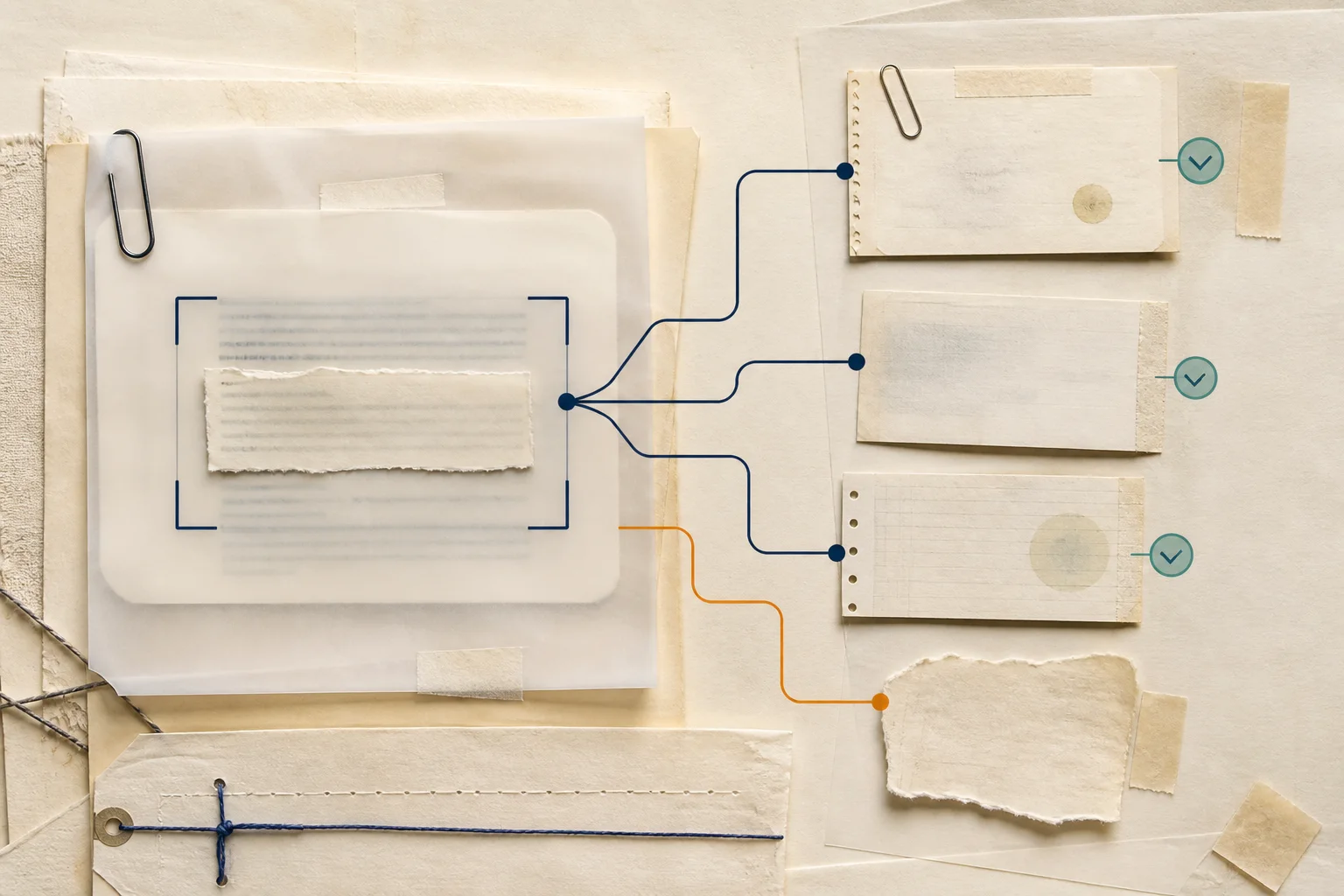
An agent feed is a machine-readable change log for managed content. Each item identifies the changed page, its published version, and the URLs affected by that revision. Stable item identity lets a consumer distinguish a new change from a repeated read of the same item.

The feed is an interface over the same fact ledger and release record that back the human page and its Markdown agent version. It does not become a second place where facts can drift.

## What does it prove?

The feed proves that KnitKnot published and recorded a change. It does not prove that an agent fetched the item, that a provider re-indexed the page, or that an AI answer changed.

Those are separate evidence lanes. Verified crawler fetches are labeled as such. Journey-level benchmark movement is measured in a later window and reported beside the revision, with outside changes and insufficient data kept visible.

## What about IndexNow?

KnitKnot can build IndexNow ping descriptors for changed host URLs. Sending those pings is a separate deployment concern and is not yet part of the public promise. A ping would report a changed URL; it would not promise a fetch, a re-index, or a changed answer.

## Is the feed generally available?

The feed is built and rolling out behind workspace and deployment gates. KnitKnot confirms the active interfaces during launch review rather than presenting every built surface as active on every customer domain.

Next: [agent-ready content](/learn/what-is-agent-ready-content/) or [agent interfaces](/product/agent-interfaces/).

Raw mirror of this content: https://knitknot.ai/learn/agent-feed.md. Site-wide summary: /llms.txt · full content: /llms-full.txt

← Guides
Published
Reading time
2 minutes

Guide

What is an agent feed?

An agent feed is a change log for managed content, with stable item identity, version links, and the URLs that changed. It reports publication, not discovery or use.

A source trail linking claim fragments to citations and evidence receipts

What is an agent feed?

An agent feed is a machine-readable change log for managed content. Each item identifies the changed page, its published version, and the URLs affected by that revision. Stable item identity lets a consumer distinguish a new change from a repeated read of the same item.

The feed is an interface over the same fact ledger and release record that back the human page and its Markdown agent version. It does not become a second place where facts can drift.

What does it prove?

The feed proves that KnitKnot published and recorded a change. It does not prove that an agent fetched the item, that a provider re-indexed the page, or that an AI answer changed.

Those are separate evidence lanes. Verified crawler fetches are labeled as such. Journey-level benchmark movement is measured in a later window and reported beside the revision, with outside changes and insufficient data kept visible.

What about IndexNow?

KnitKnot can build IndexNow ping descriptors for changed host URLs. Sending those pings is a separate deployment concern and is not yet part of the public promise. A ping would report a changed URL; it would not promise a fetch, a re-index, or a changed answer.

Is the feed generally available?

The feed is built and rolling out behind workspace and deployment gates. KnitKnot confirms the active interfaces during launch review rather than presenting every built surface as active on every customer domain.

Next: agent-ready content or agent interfaces.